How the Gemini 3 Pro Image Generator Changes Professional Visual Workflows
I have been working with generative AI tools since the early days of stable diffusion, and I have seen a lot of claims come and go. Every few months a new model appears that promises better resolution or more faithful text rendering. Most deliver incremental improvements. But every now and then a tool arrives that genuinely shifts how I think about the craft of image making. The Gemini 3 Pro Image generator is one of those moments. It is not just another text-to-image engine. It integrates physics-aware AI in a way that changes what you can ask for and what you can expect to get back.
To understand why that matters, it helps to look at where AI image generation has been. DALL-E and Midjourney gave us spectacular creativity but often struggled with basic geometry or legible text in scenes. Stable diffusion models improved on speed and open customisation, but they still produced images where reflections bent the wrong way or shadows fell in physically impossible directions. Adobe Photoshop added generative fill, which is useful, but it is a patch on an existing toolset rather than a rethink. Nano Banana Pro takes a different route. It builds on Google Gemini 3 Pro technology, and it treats image generation as a physics problem as much as an artistic one.
What Physics-Aware AI Actually Means
The phrase "physics-aware AI" can sound like marketing fluff until you see it in action. Traditional neural networks learn statistical patterns from millions of images. They know that a cup on a table usually has a shadow beneath it, but they do not understand why. If you ask for a cup floating above the table with a shadow on the ceiling, most models will happily produce it, even though that makes no physical sense. The Gemini 3 Pro Image generator, as implemented in Nano Banana Pro, incorporates a lightweight physics simulation into the generative process. It checks for basic physical consistency before finalising the output.
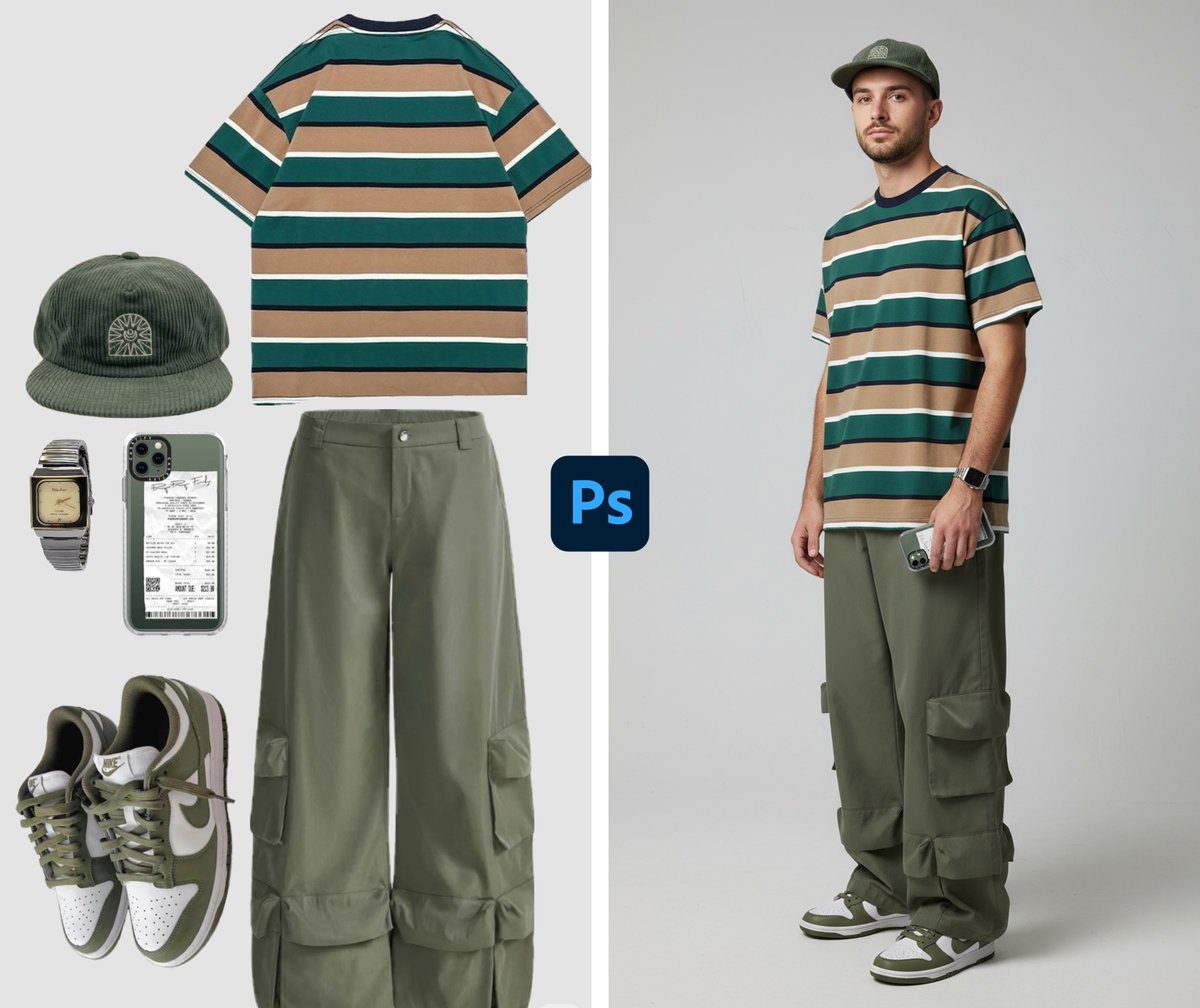
This has practical consequences. When I generate an image of a glass of water on a wooden table, the refraction through the glass looks correct. The water line sits where gravity would put it. The reflection on the table surface aligns with the light source I described. That might sound like a small thing, but it removes hours of post-processing in something like Photoshop or GIMP. You get a usable image on the first or second attempt rather than the tenth.
Precision Text Control and Multilingual Support
One of the most frustrating limitations of earlier text-to-image models has been their inability to render readable text inside an image. Ask DALL-E for a sign that says "Open" and you might get something close, but the letters often warp or blur. The Gemini 3 Pro Image generator handles this differently. It uses precision text control that treats each character as a separate shape with defined spacing and orientation. The result is that you can request a menu board, a product label, or a book cover with specific words, and they come out legible.
Multilingual support extends this further. I tested it with a prompt asking for a storefront sign in Japanese, then in Arabic, then in Spanish. Each time the script rendered correctly, with appropriate ligatures and diacritics. For anyone producing marketing materials for international audiences, this is a huge time saver. You no longer need to generate the scene and then overlay the text separately in Canva or another design tool. The text is baked into the image from the start, with the same resolution and lighting as the rest of the scene.
4K Image Generation Without the Wait
Resolution has always been a trade-off. Higher resolution means more detail, but it also means longer generation times and higher GPU memory usage. Most AI image generators cap out at around 1024 by 1024 pixels, or they offer upscaling as a separate step. Nano Banana Pro, using Google Gemini 3 Pro technology, can produce native 4K image generation. That is roughly 3840 by 2160 pixels. The physics-aware neural network scales efficiently because it does not waste computation on physically impossible arrangements.
In practice, this means I can generate a full-resolution product shot for a client presentation without needing to upscale later. The sharpness holds up on a large monitor. The details in textures, fabric weaves, and surface reflections remain crisp. GPU acceleration keeps the generation time reasonable. On a mid-range consumer GPU, a 4K image takes about the same time as a 1024 by 1024 image from earlier models. That efficiency comes from the architecture of the generative AI itself, not from any external optimisation trick.
How It Compares to Other Tools
I still use Midjourney for highly stylised conceptual work. Its aesthetic sense is unmatched for certain abstract and fantasy genres. OpenAI's DALL-E 3 remains excellent for creative brainstorming and rapid prototyping. But when I need an image that has to be physically accurate, with text that reads correctly and lighting that follows real-world rules, the Gemini 3 Pro Image generator is my first choice. It is not trying to replace those other tools. It occupies a different niche: professional visual content where accuracy matters more than artistic flair.
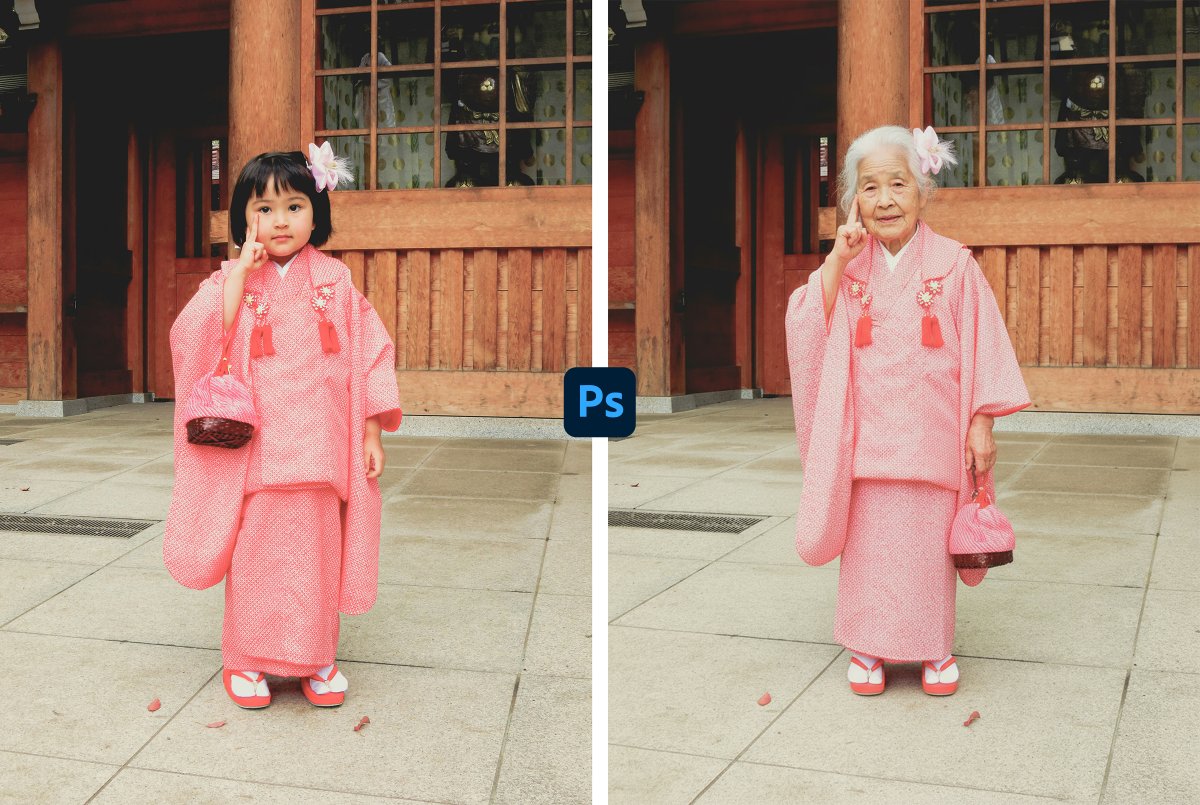
Canva and Photoshop are not going away either. They remain essential for layout, compositing, and final polish. But the role of AI image generation is shifting from "generate something close and fix the rest" to "generate something finished." Nano Banana Pro pushes that shift forward by making the generated image closer to the final deliverable. The multilingual support means it works for global teams without extra translation steps.
Trade-Offs and Realistic Expectations
No tool is perfect, and the Gemini 3 Pro Image generator has its own limitations. The physics simulation adds a small amount of latency to the generation process. For very abstract or surreal prompts, the physics constraints can feel restrictive. If you want a city floating upside down above a forest, the model will try to make that look physically plausible, but it may simplify the scene to avoid impossible geometry. That is a design choice, not a bug. You can still generate surreal images, but they need to be internally consistent within their own physical rules.
Another consideration is the learning curve. Precision text control and multilingual support require you to be explicit in your prompts. If you just type "a sign" you get a generic sign with random characters. You need to specify the exact text and the language. That is a small adjustment, but it matters for teams used to the looser prompt style of stable diffusion or Midjourney. Once you adapt, the results are much more predictable.
Practical Use Cases
I have used Nano Banana Pro for several real projects. One was a series of product mockups for a client who sells ceramic cookware. The images needed to show the glaze texture, the reflection of the kitchen environment on the surface, and a subtle logo on the side of each piece. The Gemini 3 Pro Image generator handled the logo legibility easily, and the physics-aware AI kept the reflections consistent across all the pieces in the set. That saved me roughly two hours of manual adjustment per image.
Another project involved generating educational diagrams for a physics textbook. The diagrams had to show light refraction through different lens shapes, with accurate angles and labels. The precision text control allowed me to include mathematical notation in the labels. The physics-aware AI ensured the refraction angles followed Snell's law within the image. I still verified the numbers manually, but the base image was correct on the first attempt.
For marketing teams producing multilingual collateral, the workflow is straightforward. Generate the scene with the required text in each language, export at 4K resolution, and drop the images into a layout template. No separate text rendering step. No font matching. No concern about text wrapping oddly over a three-dimensional surface.
What the Future Holds
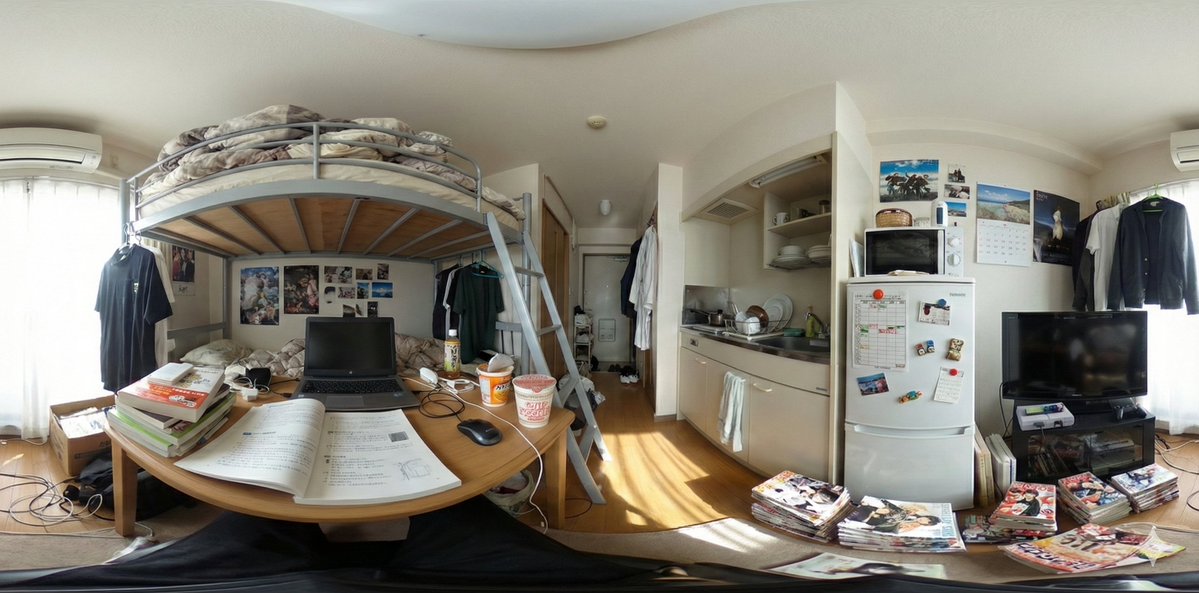
The integration of physics simulation into generative AI is still early. TensorFlow and similar frameworks are being extended to support differentiable physics engines, which will make this kind of model easier to train and deploy. Google Gemini 3 Pro represents a step in that direction. As GPU acceleration continues to improve, the latency penalty of physics checks will shrink. I expect that within a year or two, physics-aware generation will become the norm rather than a special feature.
For now, the Gemini 3 Pro Image generator offers something genuinely useful: images that respect physical reality, include readable text in multiple languages, and come out at professional resolution straight from the model. It is not a replacement for every tool in your stack, but it fills a gap that has been open for too long. If your work involves product visuals, educational graphics, or any scene where physical accuracy and text clarity matter, it is worth a serious look.